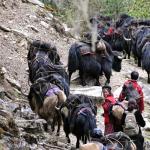
Mental health concerns grow with ageing population in Bhutan
Mental health conditions among older people are becoming an increasing concern in Bhutan, with about 6.8 percent of older patients having dementia.
Read More

Archives
National Assembly
While the Constitution of the kingdom of Bhutan, unveiled and distributed nation-wide on March 26, 2005, awaits national referendum the representatives of the clergy, the go...
Bhutan- Denmark/Finland/Norway/ Sweden
Factories A-Z
Education-Policy/Planning/Conference Workshop
National Assembly
Agriculture/Crops/Mushroom
Oct 08, 2026


Oct 07, 2026

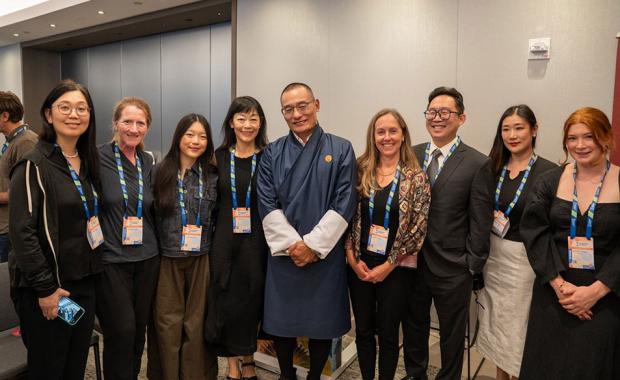
Bhutan became the world’s first country to adopt a Gross Ecosystem Product (GEP) at the national level, with Prime Minister Tshering Tobgay announcing the country’s GEP calculation at USD 6.2 billion for 2024, about twice the size of the country’s gross domestic product (GDP).
The country’s private sector is projected to create 10,750 jobs between 2026 and 2030, but recent recruitment figures suggest that available vacancies do not automatically translate into opportunities for jobseekers.
Despite policy measures and regulatory reforms aimed at promoting the Information and Communications Technology (ICT) an...
Prime Minister Tshering Tobgay used Bhutan’s address to the General Debate of the 81st United Nations General Assembly o...
Bhutanese athletes are making their mark at the 20th Asian Games in Aichi-Nagoya, highlighted by a strong opening victor...
The Department of Tourism (DoT), Bhutan and the Tourism Authority of Thailand (TAT) launched the “Healing and Happiness”...
Midway through its term, the People’s Democratic Party government is still far from delivering one of its popular electi...
India’s External Affairs Minister, Dr S. Jaishankar, departed for New Delhi on Friday morning, concluding a two-day offi...
The new student visa and migration measures introduced in Australia, the leading education destination for Bhutanese, ha...
Access to public-sector information is a fundamental pillar of effective oversight in any democratic system. In Bhutan, however, bureaucratic barriers remain a significant obstacle, weak...
The early years — roughly birth to five — are critical for emotional development. While a child raised with consistency...

You are not alone in your confusion — and much of it arises from the word itself. Emptiness can sound like nothingness,...
The monthly Sunday brunch at Le Méridien has become a special experience that goes beyond dining, offering guests a rela...
Taking care of all members of society is a characteristic of a mature and compassionate nation; therefore, I strongly ad...
Bhutan’s economy has changed dramatically since the Bankruptcy Act of 1999 was enacted. Back then, the private sector wa...

The conflict in the Middle East, which has disrupted the global economy and fueled uncertainties, has led investors to q...
The digital age has transformed Bhutanese society in ways unimaginable in just a decade or two. Social media and online...
༉ ཕུན་ཚོགས་གླིང་གི་ ལུང་ཕྱོགས་ནང་ སྡོད་ཁྱིམ་ལངམ་སྦེ་མེད་པའི་ དཀའ་ངལ་ལུ་བརྟེན་ འབྲུག་པའི་མི་ཁུངས་མང་ཤོས་ཅིག་ ས་མཚམས་ཕྱི་ཁ...
Mental health conditions among older people are becoming an increasing concern in Bhutan, with about 6.8 percent of older patients having dementia.
Read MoreBhutan is looking to strengthen its ability to anticipate emerging challenges and prepare public institutions before those challenges become immediate pressures, as changing technology, workforce needs and economic conditions create greater uncertainty for long-term policymaking.
Read MoreBhutan has achieved high coverage in its national cancer-screening programme, reaching 91.2 percent of the eligible population between 2020 and 2023. But many cancers are still diagnosed at terminal stages, highlighting the continuing importance of public awareness and early help-seeking.
Read MoreBhutan is losing its paddy land faster than it is protecting it. The country has recorded 868 cases of structures built on chhuzhing (wetland) without prior approval. Rice self-sufficiency has fallen to 25 percent, and the country spends billions of ngultrum each year importing the grain it once grew itself.
Read MoreI think the first year has validated Pelsung’s mandate of preparing the youth of Bhutan for GMC and 10X Bhutan, while also showing us where the model needs to evolve. We think about our work through two distinct pathways. Professional Readiness is for young people who need the skills and employability to work in GMC and emerging sectors.
Read MoreDraktsho started as one parent’s initiative in a garage with just eight students. Our founder, Rigzin Padma Tsogyal, began with basic flower making by persons with disabilities. In the process, she realised they had much more potential.
Read MoreNo data available